10 Modern Greetings for Emails That Drive Sales in 2026
Is your first “hello” doing the job you think it is?
For Shopify brands, the opening line that shapes a sale often appears before any email gets opened. It shows up in the chat bubble on a product page, while a shopper is comparing options, checking shipping, or deciding whether your store feels trustworthy enough to buy from. If your article on greetings for emails starts and ends with inbox etiquette, it misses the first live sales interaction many DTC brands now control.
A chatbot greeting works like an email subject line and opening sentence rolled into one. It has seconds to prove it’s relevant, useful, and worth answering. That is why the best brands treat onsite greetings as part of the same conversion system as email, SMS, and post-purchase flows. The words change by channel, but the job stays the same. Reduce friction, answer the next obvious question, and move the shopper closer to checkout. The same logic sits behind strong product marketing strategies for ecommerce brands.
This guide focuses on that first onsite greeting first, then applies the same discipline to email language where it still fits. That shift matters because a generic “How can I help?” in chat wastes buying intent that a sharper, better-timed opener can capture.
1. Personalised Product Name Greeting
If someone has been looking at one specific item, don’t greet them like a stranger. Start where their attention already is.
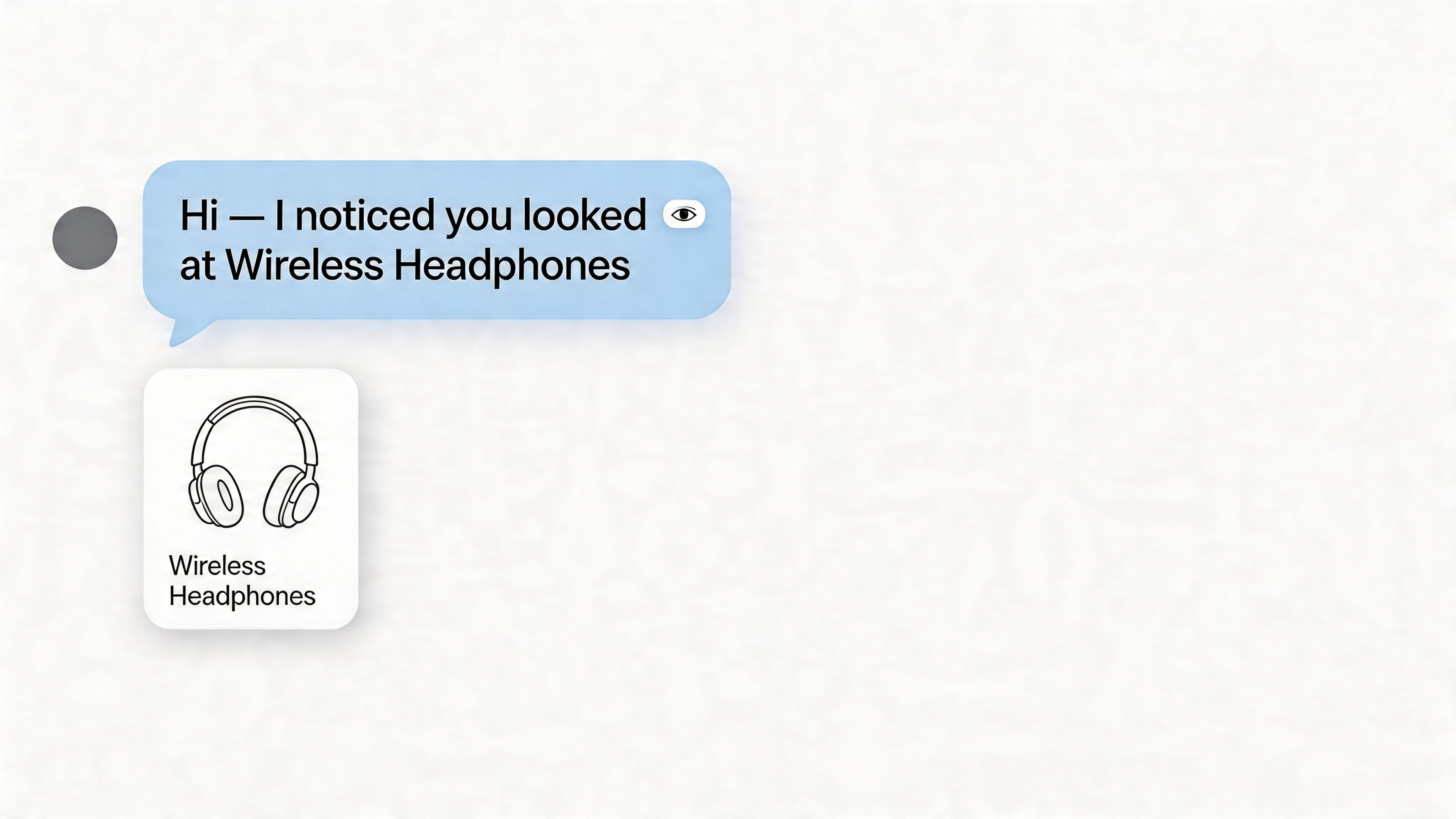
A strong opening sounds like this: “Hey! I noticed you were checking out our Wireless Sleep Headphones. Need help picking the right version?” That works because it removes the first mental step. The shopper doesn’t have to explain why they’re there.
For product-led brands, this is one of the most useful greetings for emails to adapt into chatbot language. It mirrors a good follow-up email, but it hits earlier, before the customer bounces. I’ve seen this work especially well on stores selling apparel, supplements, furniture, and electronics, where a single product question can decide the sale.
Where it works best
This greeting performs best when the product has natural objections. Think sizing, compatibility, ingredients, materials, delivery timing, or setup. If someone is viewing an ergonomic office chair, a generic “How can I help?” is lazy. “Looking at the ErgoFlex Chair? I can help with sizing, lumbar support, or delivery times” is useful.
Use it with product catalogue sync and browsing signals. If you want sharper prompts, study how customized product positioning works in these product marketing strategies.
Practical rule: Mention one product and one likely question. Don’t mention three products and force the shopper to sort them out.
A few strong versions:
- Viewed item prompt: “Welcome back. Still considering the Bamboo Cooling Duvet? I can help with tog, feel, and wash care.”
- Comparison prompt: “Checking out the AeroRunner 2? I can compare it with the AeroRunner Pro if you want.”
- Reassurance prompt: “Looking at our Vitamin C Serum? I can help with skin type, routine order, and shipping.”
Later in the conversation, show richer context.
What doesn’t work is fake familiarity. Don’t write “I saw you loved our…” unless they bought it or said it. Personal feels good when it’s accurate. When it’s wrong, it feels creepy.
2. Consultative Sales Opening
What should your first greeting do when the product choice is complicated? It should start a useful buying conversation, not act like a pop-up that asks, “Can I help?”
For DTC brands selling considered products, the best opening behaves less like an email pleasantry and more like a strong sales associate. It gives the shopper a clear path. A mattress buyer may care about sleep position and firmness. A premium bike shopper may care about terrain and frame weight. A skincare device shopper may care about sensitivity and results timeline. The greeting should surface that decision criteria fast.
A consultative opening works best when there is no obvious “default” product. Instead of pushing the bestseller, ask one question that helps the bot sort the shopper into the right lane. That is the difference between a chatbot that sells and one that just waits for support tickets.
The common mistake is asking too much, too early. Six qualifying questions in the greeting feels like a form. One or two feels useful. In practice, goal, use case, or budget usually gives you enough to route the conversation well.
If you want the bot to act more like a rep than a help widget, build the flow around consultative selling principles for ecommerce teams. The trade-off is simple. You may get fewer total replies than with a vague “How can I help?” opener, but the replies you do get are easier to convert because the shopper has already given you buying context.
Useful versions:
- Goal-led: “Hi. What are you trying to solve today, comfort, performance, or price?”
- Use-case-led: “Are you shopping for daily use, occasional use, or professional use? I can narrow the options.”
- Budget-led: “Welcome. What budget range are you working with? I’ll point you to the best fit.”
- Decision-helper: “Need help choosing? Tell me what matters most, durability, speed, or ease of use.”
This style also fits how shoppers now expect AI to behave on storefronts. They do not want a generic greeting copied from an email template. They want an opening that asks a smart question and then gives recommendations specific to the customer.
What fails is fake consultation. If the opener asks about goals, but every reply pushes the same SKU, trust drops fast. Ask less. Listen well. Then make the next message prove the greeting meant something.
3. Multilingual Localised Greeting
A multilingual greeting isn’t just translation. It’s respect.
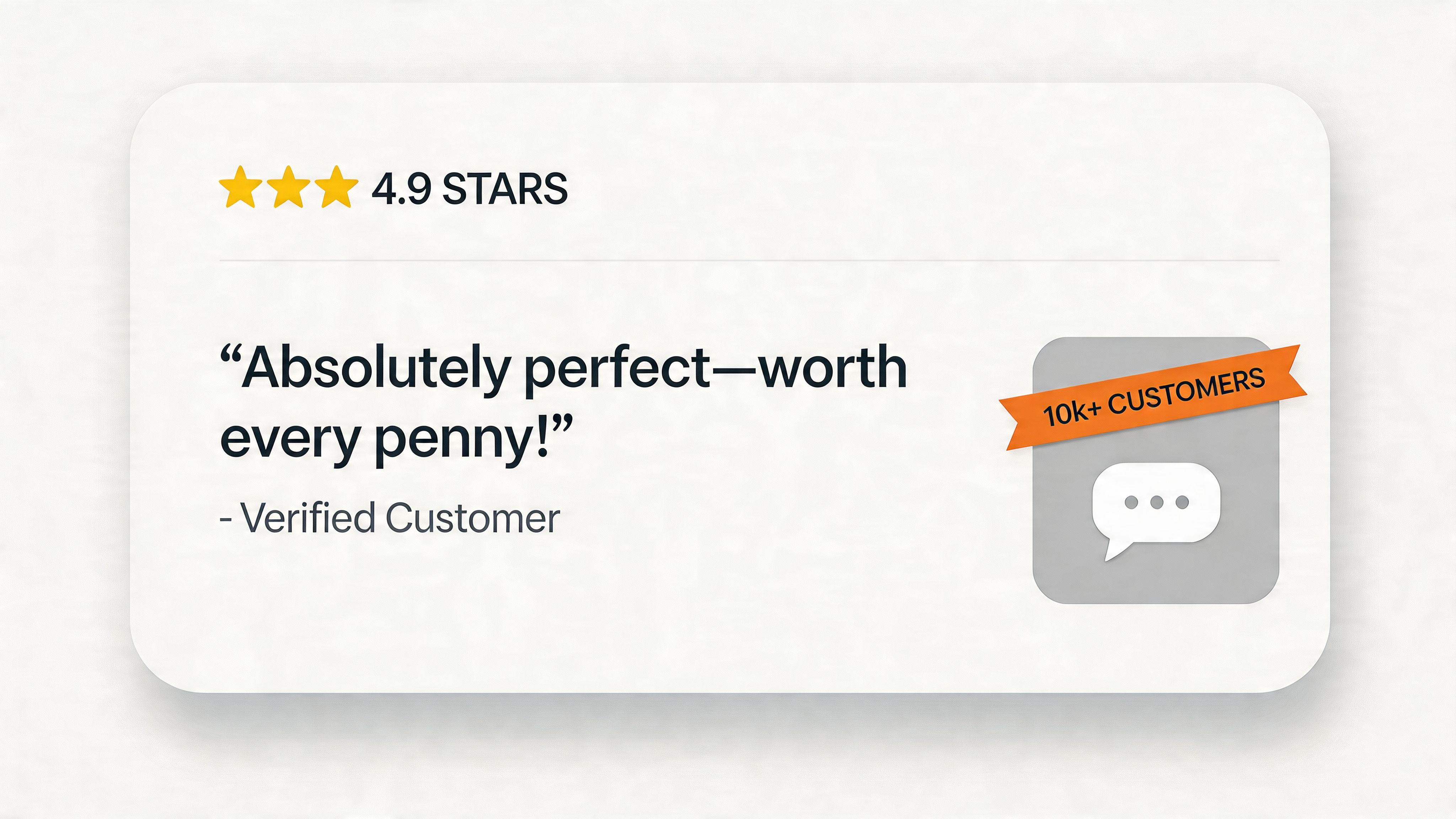
If your UK store serves international customers, or multilingual communities inside the UK, opening in the customer’s language lowers friction fast. “Hola, ¿en qué puedo ayudarte hoy?” lands differently from “Hi there” when someone is more comfortable reading Spanish. The same goes for regional language choices that show care rather than automation.
Local beats generic
Marvyn supports 80+ languages, which makes localisation practical instead of manual. That matters because multilingual greetings are still missing from most advice about greetings for emails, especially for ecommerce support and pre-sales flows.
The most useful version is simple and natural:
- English: “Hi. Need help choosing the right one?”
- French: “Bonjour. Je peux vous aider à choisir le bon produit.”
- German: “Hallo. Ich helfe Ihnen gern, das passende Produkt zu finden.”
- Welsh for regional targeting: “Bore da. Sut alla i helpu heddiw?”
Use the greeting to confirm the lane. Language, shipping region, and currency should all point in the same direction.
You don’t need a dramatic opening. You need the right one. If a French-speaking shopper gets a French greeting and then sees UK delivery details explained clearly, the brand feels organised.
One caution. Don’t use machine-translated slang unless a native speaker has reviewed it. Formality is cultural, not just linguistic. In cross-border selling, safe and clear usually beats clever.
4. Problem-Solution Greeting
A shopper who lands on your site often arrives with a problem already in mind. Your greeting should meet that problem immediately.
If you sell anti-chafe shorts, posture correctors, stain removers, air purifiers, or migraine-friendly lighting, the customer usually isn’t browsing for fun. They’re trying to fix something. A strong opening says: “Trying to reduce back pain while working from home? I can show you the chairs customers usually compare first.”
That works because it names the struggle without making the shopper do all the work. It’s direct, and it sounds like you understand why they came.
Speak to the pain, not the catalogue
This style is especially useful for stores with high-intent landing pages from paid search. If someone clicks an ad about “best trainers for plantar fasciitis”, your chatbot shouldn’t say “Hello and welcome”. It should continue the conversation they were already having in their head.
Good examples:
- Outcome-led: “Need a duvet that sleeps cooler? I can point you to our lightest, most breathable options.”
- Objection-led: “Worried about finding a sofa that fits a small flat? I can narrow options by width.”
- Decision-led: “Trying to choose a serum for sensitive skin? I can help you avoid the harsh formulas.”
For support-heavy stores, this approach also improves complaint handling because it shows understanding before policy. If your team needs a better tone for tricky messages, these complaint email samples for customer communication are useful reference points.
A 2025 UK customer experience finding noted that repeated generic greetings in threads reduce satisfaction, which lines up with what most operators see in practice. Repetition makes automation feel blunt. Problem-solution openings feel human because they move the conversation forward instead of resetting it.
What doesn’t work is overreaching. Don’t diagnose too specifically unless the page context supports it. “Looking for relief from severe chronic pain?” is risky. “Need better support for long hours at a desk?” is safer and still useful.
5. Time-Sensitive Urgency Greeting
Urgency works when it’s true. It backfires when it’s theatre.
For flash sales, limited seasonal collections, or low-stock hero products, an urgency-based greeting can move indecisive shoppers. Something like: “Quick heads up. The Linen Summer Set is selling fast and this offer ends tonight. Want help picking the right size?” That can work well because it combines urgency with assistance, not pressure.
Use urgency like seasoning
Most brands overuse this style. Every visitor gets “Hurry, ending soon” even when nothing meaningful is ending. Shoppers learn to ignore it.
Better uses look like this:
- Sale window: “Your welcome offer is still active. Want help choosing the best-value bundle before it expires?”
- Inventory prompt: “The Oak Standing Desk in walnut is nearly gone in this size. I can help you check alternatives.”
- Seasonal relevance: “Need this before Father’s Day? I can show you the fastest-delivery options.”
Mobile also changes how urgency should read. CodeCrew’s UK analysis says 46% of emails are opened on mobile, and greetings under 70 characters reached a 43.38% open rate in that context (CodeCrew email marketing stats for 2025). Chat greetings aren’t identical to email subject lines, but the lesson is the same. Short urgency beats long urgency on small screens.
Keep the urgent part factual and the helpful part immediate.
A bad version says, “Act now before it’s too late!!!” A better version says, “Next dispatch is today at 4pm. Need help choosing before then?” One sounds like marketing noise. The other sounds operational and useful.
6. Empathy-Driven Welcome Greeting
Some categories need calm before they need conversion.
If you sell wellness products, premium beauty, maternity goods, mobility aids, or anything tied to confidence, comfort, or self-image, an empathy-led greeting can outperform a hard sales opener. “Shopping for skincare can feel confusing. I can help you narrow it down based on your skin type and routine.” That’s softer, but still commercial.
The reason this works is simple. It lowers defensiveness. Customers don’t feel like they’re entering a funnel. They feel like they’re getting guidance.
Lead with understanding, then narrow
This isn’t the same as vague brand warmth. It still needs direction. After the opening, ask one simple question or offer two clear paths.
Try versions like:
- Overwhelm reducer: “Too many options? I can narrow this quickly.”
- Confidence builder: “If quality is your main concern, I can show you the options customers usually choose first.”
- Need-specific: “Shopping for a gift can be tricky. I can help by budget, occasion, or fastest delivery.”
For stores trying to improve first-contact tone across site and inbox, it’s worth reviewing examples of a strong welcome message for website chat and customer journeys.
There’s also a generational and cultural angle to this. Debrett’s notes that “Dear” remains common in business but that there’s been a shift toward more relaxed informality, friendliness, and inclusivity in salutations (Debrett’s guide to email salutations and sign-offs). In practice, empathy-led greetings often bridge that gap well. They sound warm without becoming overly casual.
What doesn’t work is forced intimacy. Don’t write like a therapist. “We know exactly how you feel” is too much. “This category can be overwhelming” is enough.
7. Quick-Answer Support Greeting
Sometimes the customer doesn’t want discovery. They want an answer in ten seconds.
This greeting is for shipping questions, returns, order tracking, compatibility checks, and policy lookups. It should sound fast: “Quick question? I can help with delivery, returns, or product details.” That line does two things well. It signals speed, and it gives the customer examples so they know what to ask.
Reduce effort first
For solo founders and lean CX teams, this is one of the most practical greetings for emails to translate into onsite chat. It’s not trying to charm anyone. It’s trying to reduce workload without making the experience feel robotic.
Use short versions like:
- Policy-first: “Need help with shipping, returns, or delivery times?”
- Order-first: “I can help with order questions and product info. What do you need?”
- Post-purchase-first: “Tracking, exchanges, or product help. I’ve got you.”
If you’re building support flows around a chatbot rather than a live rep, this guide to choosing the best AI chat bot for ecommerce support is a useful starting point.
UK ecommerce data also supports the role of email and automation in support-heavy journeys. Email marketing adoption for consumer engagement sits at 77.6%, ahead of content management and social networking, according to Octopus CRM’s email marketing statistics roundup. For merchants, that reinforces a broader truth. Customers still expect direct, text-based help, and they expect it quickly.
Plain advice matters here:
If the question is operational, don’t greet like a salesperson. Greet like a service desk with manners.
What fails is burying the answer path under friendly fluff. “Hey lovely, hope you’re having a beautiful day” is the wrong opener when someone just wants to know if you ship to Belfast.
8. Social Proof-Integrated Greeting
Can a greeting answer the trust question before a shopper types it? In chat, it often can.
For DTC brands, this is one of the strongest ways to turn a flat welcome into a sales assist. The bot is no longer just saying hello. It is reducing hesitation with proof that feels specific to the product in front of the customer.
A strong social proof greeting sounds grounded and current. “Our Bamboo Runner Socks are a repeat purchase for a lot of customers. Want the quick reason why?” works because it gives the visitor a reason to continue without sounding over-rehearsed.
Match the proof to the buying decision
The best version depends on what the shopper is trying to judge. Beauty shoppers usually want reassurance on results, texture, or skin feel. Fashion shoppers care more about fit, size confidence, and which option is the safest first buy. Home and gifting often respond well to review themes such as quality, presentation, or ease of use.
Useful patterns include:
- Bestseller proof: “Need a starting point? Our bestselling carry-on is the one many customers choose first.”
- Review proof: “Shoppers often praise the comfort and fit on this style. Want the short version?”
- Repeat-purchase proof: “This is one customers come back for. I can show what keeps it in rotation.”
- Use-case proof: “This set is a popular pick for smaller spaces. Want to see why it works?”
The trade-off is accuracy. Social proof only helps if it is recent, believable, and tied to a real customer signal. If a chatbot calls everything a bestseller, shoppers stop trusting the greeting and start treating the bot like ad copy.
That is where many Shopify stores get this wrong. They use generic praise instead of operational proof. “Customers love this” is weak. “Customers often mention the fit is true to size” is useful. One creates fluff. The other helps someone decide.
Keep the wording light, then offer the next step. A good chatbot greeting should open the door to reviews, FAQs, size help, or comparisons without forcing the shopper to hunt for them.
Avoid fake urgency and stale proof. Don’t label old inventory as trending. Don’t summarise reviews in a way the product page cannot support. Social proof lowers purchase anxiety when it is honest. If it feels manufactured, it does the opposite.
9. Exclusive Member VIP Greeting
Why greet a repeat customer like a stranger?
For DTC brands, this matters long before an email opens. The first recognition often happens in the on-site chatbot greeting. If someone has bought before, joined your loyalty programme, or signed up for early access, the bot should acknowledge that history and shorten the path to the next purchase.
A VIP greeting works because it removes friction. It tells the shopper, “we know where you are in the relationship,” then offers a relevant next step. “Welcome back, Sarah. Want to see the new shades that match your last order?” does that well. It feels useful, not ornamental.
Recognise history without sounding invasive
Use signals you can support operationally. Previous purchase, loyalty tier, subscription status, waitlist entry, or repeated visits to the same collection are all fair game. Keep the reference light, specific, and tied to an action.
Good examples:
- Repeat buyer: “Welcome back. Ready to restock your usual, or want to try something new?”
- Early access: “VIP access is open. Want me to show the new arrivals first?”
- Related recommendation: “Back again? I can show products that pair well with your last order.”
The trade-off is precision versus creepiness. A greeting that remembers the category someone bought from is helpful. A greeting that names too much history can feel like surveillance. In practice, broad recognition usually performs better than overly specific recall, especially on a first chat message.
Personalisation still has to earn its place. If the bot recognises a member, it should offer something members value. Faster support, first look at a launch, one-click reorders, restock alerts, or curated recommendations based on past purchases all make sense. A generic “VIP” label with no clear benefit reads like marketing fluff.
This approach also changes how merchants should think about “greetings for emails.” The strongest greeting may happen before the email is ever sent. If the chatbot identifies a returning customer and routes them to the right products or support path, the brand avoids unnecessary follow-up emails and gets the sale sooner.
One mistake shows up often in Shopify stores. Every returning customer gets pushed straight to a discount. That trains buyers to wait for offers and chips away at margin. VIP treatment often works better as convenience, access, and relevance. Give loyal customers a faster route, not just a cheaper one.
10. Question-Based Discovery Greeting
What if your best email greeting is not in the inbox at all, but in the first question your chatbot asks on-site?
For DTC brands, a question-based greeting works because it turns a generic welcome into a routing tool. Instead of pushing the same opening line to every visitor, the bot can sort intent fast and move shoppers toward the right products, offers, or support path. That is the primary job of this greeting.
The best version feels easy to answer and useful right away. It should narrow the journey in one tap, not ask the customer to do homework.
Ask a question that sorts the journey
A strong discovery question does one thing well. It identifies buying context without sounding like a survey.
Good versions:
- Gift sorting: “Is this for you or someone else?”
- Priority sorting: “What matters most to you: price, speed, or premium quality?”
- Use-case sorting: “Will you use this at home, at work, or while travelling?”
This format is especially effective on mobile because short prompts are easier to answer than long menus or open-ended chat. As noted earlier, small-screen behaviour rewards quick choices and clear next steps. In Shopify stores, that usually means buttons, not blank text fields.
One good question can do the work of a paragraph.
There is a trade-off, though. If the question is too broad, the chat feels vague. If it is too detailed, the shopper feels trapped in a form. I have seen stores lose momentum by opening with “What are your goals today?” That belongs in a sales call, not a product chat. Ground the question in the buying decision instead. “Do you need this for daily use or occasional use?” gives the bot something actionable.
Used well, this approach changes how merchants should think about greetings for emails. The first high-value greeting often happens before an email is sent. If the chatbot asks the right question, segments the visitor correctly, and gets them to the right page or answer, the follow-up email becomes more relevant because the brand has already learned what matters.
10-Point Email Greeting Comparison
Beyond the Greeting Automate Your Entire Conversation
The greeting matters because it decides whether the shopper stays in the conversation. It’s the first proof that your brand understands context. But the primary value comes from what happens next.
A personalised product greeting only works if the chatbot can answer the product question properly. A consultative opening only works if the follow-up recommendations are sensible. A quick-answer support greeting only works if shipping, returns, and policy details are accurate and easy to retrieve. The line itself isn’t the strategy. The line opens the strategy.
For Shopify merchants, most generic advice on greetings for emails falls short in this regard. It treats the greeting as etiquette. In ecommerce, it’s workflow design. You’re not just trying to sound polite. You’re trying to route a browser into the right buying or support path with as little friction as possible.
The strongest setups usually share a few traits:
- They match the page context: Product pages get product-aware greetings. Support pages get support-first ones.
- They keep the first message short: Shoppers scan. They don’t read scripts.
- They offer a next step: Ask one question, present one choice, or mention one useful area of help.
- They escalate cleanly: The bot handles routine interactions and passes edge cases to a human.
That last point matters more than ever. The Marvyn AI product information says brands can automate more than 70% of customer service while using smart escalation for complex queries. Used well, that means your greeting doesn’t need to do everything. It only needs to start the right lane and keep easy conversations out of your inbox.
There’s also a practical content lesson here. Don’t think of chatbot greetings and email greetings as separate systems. They should sound like the same brand. If your welcome email is warm and consultative but your onsite chat sounds like a blunt FAQ machine, customers feel the disconnect immediately.
The right opener depends on what you sell, how your customers buy, and where friction tends to appear. High-ticket brands often do better with consultative or question-led openings. Support-heavy stores need speed-first greetings. Community-led brands can lean into VIP recognition. Multilingual stores should localise earlier than they think.
What works is relevance. What fails is generic politeness with no direction.
Treat the greeting as the first move in a larger automated conversation, and it stops being a pleasantry. It becomes a sales and support engine that runs all day, all night, and across every customer time zone.
If you want greetings that do more than sound nice, Marvyn AI gives Shopify brands a practical way to automate the full conversation. It syncs your catalogue, policies, and FAQs, greets shoppers in context, recommends products like a sales rep, and handles support around the clock in 80+ languages. For founders and ecommerce teams trying to convert more browsers without adding headcount, it’s a fast way to turn the first hello into real revenue.