Conversion Rate Optimization Checklist for Shopify in 2026
In the competitive world of direct-to-consumer (DTC) ecommerce, every visitor is a hard-won opportunity. Yet, the average Shopify store's conversion rate often hovers around a mere 1.4%. This means for every 1000 visitors you fought hard to attract, an astonishing 986 are likely leaving your site without making a purchase. That gap between traffic and sales isn't just a statistic; it's leaked revenue, and it’s where fortunes are won or lost.
Closing this gap isn't about guesswork or chasing the latest marketing fad. It requires a systematic approach to removing friction and answering customer needs at the exact moment they arise. This is where a detailed conversion rate optimisation checklist becomes essential. It provides a structured path to turning casual browsers into loyal customers.
We will move beyond generic advice like 'improve page speed' and dive into a prioritised framework of high-impact tactics. The following list is your actionable plan, focusing on how intelligent, automated conversations can transform the customer journey. You will discover how to handle pre-sales questions, recover abandoned carts, offer personalised recommendations, and analyse customer interactions to make data-driven improvements. This guide is built for Shopify merchants who are ready to stop leaving money on the table and start maximising the value of every single click.
1. Implement Real-Time Product Question Handling
A shopper lands on your product page, intrigued but uncertain. They have a specific question: "Is this jacket's outer shell waterproof or just water-resistant?" Without an immediate answer, they hesitate, get distracted, and leave. This scenario represents a critical, yet often overlooked, friction point that kills conversions. Implementing real-time product question handling directly addresses this issue by providing instant, accurate answers when buying intent is at its peak.
This is achieved by deploying an AI-powered chatbot that is deeply integrated with your product catalogue. Instead of a generic bot that deflects queries, this specialised tool understands product specifications, inventory, materials, and more. When a customer asks a question, the AI parses the query and provides a precise answer in seconds, eliminating the need for them to search the site, wait for an email response, or abandon their purchase altogether.
For example, DTC brands using platforms like Shopify have reported a 35-50% reduction in pre-sales support tickets after implementing this technology. High-ticket merchants, where detailed questions are common before a big purchase, have seen conversion rates improve by as much as 20-30% through instant, on-page question resolution.
Actionable Implementation Steps
To successfully integrate this into your conversion rate optimisation checklist, focus on a precise setup:
- Synchronise Your Catalogue: Ensure your AI chatbot has complete and unfettered access to your entire product catalogue. This includes titles, detailed descriptions, specifications, materials, dimensions, and high-quality images. The more data it has, the more accurate its answers will be.
- Train with Real Questions: Analyse your support tickets, live chat transcripts, and social media comments to identify common pre-sales questions. Use this data to train your AI and create a robust FAQ knowledge base it can draw from.
- Monitor Escalation Patterns: Pay close attention to questions the AI cannot answer and must escalate to a human agent. These escalations are a goldmine of information, highlighting gaps in your product descriptions or AI training data.
- Analyse Conversation Data: Use the chatbot's analytics to discover the most frequently asked questions for specific products. This insight is invaluable for optimising your product pages directly, often answering the question before it’s even asked.
By turning your product catalogue into a conversational database, you empower customers to self-serve and make confident purchasing decisions on the spot. This proactive approach not only lifts conversions but also frees up your human support team to handle more complex, high-value interactions.
For those interested in exploring the mechanics further, you can find more details on how advanced chatbots support customer service and drive sales.
2. Reduce Cart Abandonment Through Conversational Engagement
A customer adds items to their cart, proceeds to checkout, and then vanishes. This is the moment of peak purchase intent, yet 70% of online shopping carts are abandoned. While email reminders can recover a fraction of these, conversational engagement offers a proactive, real-time solution by addressing the root cause of hesitation at the critical moment it occurs.

This strategy involves deploying an AI-driven chatbot that monitors for abandonment signals, such as cursor movement towards the exit or prolonged inactivity on the checkout page. The bot then initiates a helpful, non-intrusive conversation to uncover and resolve final barriers. It might ask about unexpected shipping costs, clarify a return policy, or even address a last-minute product question, turning a potential lost sale into a completed order.
The results are tangible. Brands implementing this technique report an average cart recovery rate improvement of 15-25%. Shopify merchants using conversational engagement have seen a 10-20% uplift in their overall conversion rate, with some DTC brands recovering thousands of pounds monthly through these targeted, automated conversations.
Actionable Implementation Steps
To effectively add this to your conversion rate optimisation checklist, a thoughtful setup is required:
- Identify Abandonment Triggers: Use analytics to pinpoint where users drop off in your checkout process. Is it after the shipping costs are revealed? Or on the payment page? This data will inform when and how your chatbot should intervene.
- Craft Helpful Conversation Flows: Design conversations that feel supportive, not salesy. Start with open-ended questions like, "Hi there, just wanted to see if you had any questions before you go?" before drilling down into specifics about shipping, returns, or budget concerns.
- Time Your Engagement: Set your chatbot to trigger based on specific abandonment behaviours. A good starting point is to engage a user after 30-45 seconds of inactivity on the checkout page or when their mouse moves towards the browser's close button (exit-intent).
- A/B Test Your Messaging: Experiment with different conversation starters and questions. Test a direct approach ("Were the shipping costs more than you expected?") against a softer one ("Is there anything I can help clarify about your order?").
- Analyse Conversation Data: The questions customers ask at this final stage are incredibly valuable. Use this feedback to optimise your checkout process, improve your FAQ page, and make your shipping and return policies more prominent.
By proactively engaging with hesitant buyers at the point of abandonment, you transform the checkout from a transactional form into a final, reassuring conversation. This not only recovers immediate revenue but also provides priceless insights into the friction points that are costing you sales.
3. Personalized Product Recommendation Engine
A customer arrives on your site with a general need but is overwhelmed by choice. They might be looking for a new moisturiser for sensitive skin or a pair of running shoes for marathon training. Without guidance, they click around aimlessly, compare a few items, and ultimately leave without purchasing. This indecision is a major cause of abandoned carts, especially for stores with large catalogues. A personalised product recommendation engine solves this by acting as a knowledgeable sales associate.
Instead of generic "you might also like" carousels, this approach uses conversational AI to ask targeted questions about a customer's specific needs, preferences, budget, and intended use. By engaging in a brief, consultative dialogue, the AI can diagnose the customer's problem and then recommend a small, curated selection of the most suitable products, dramatically simplifying the buying journey.
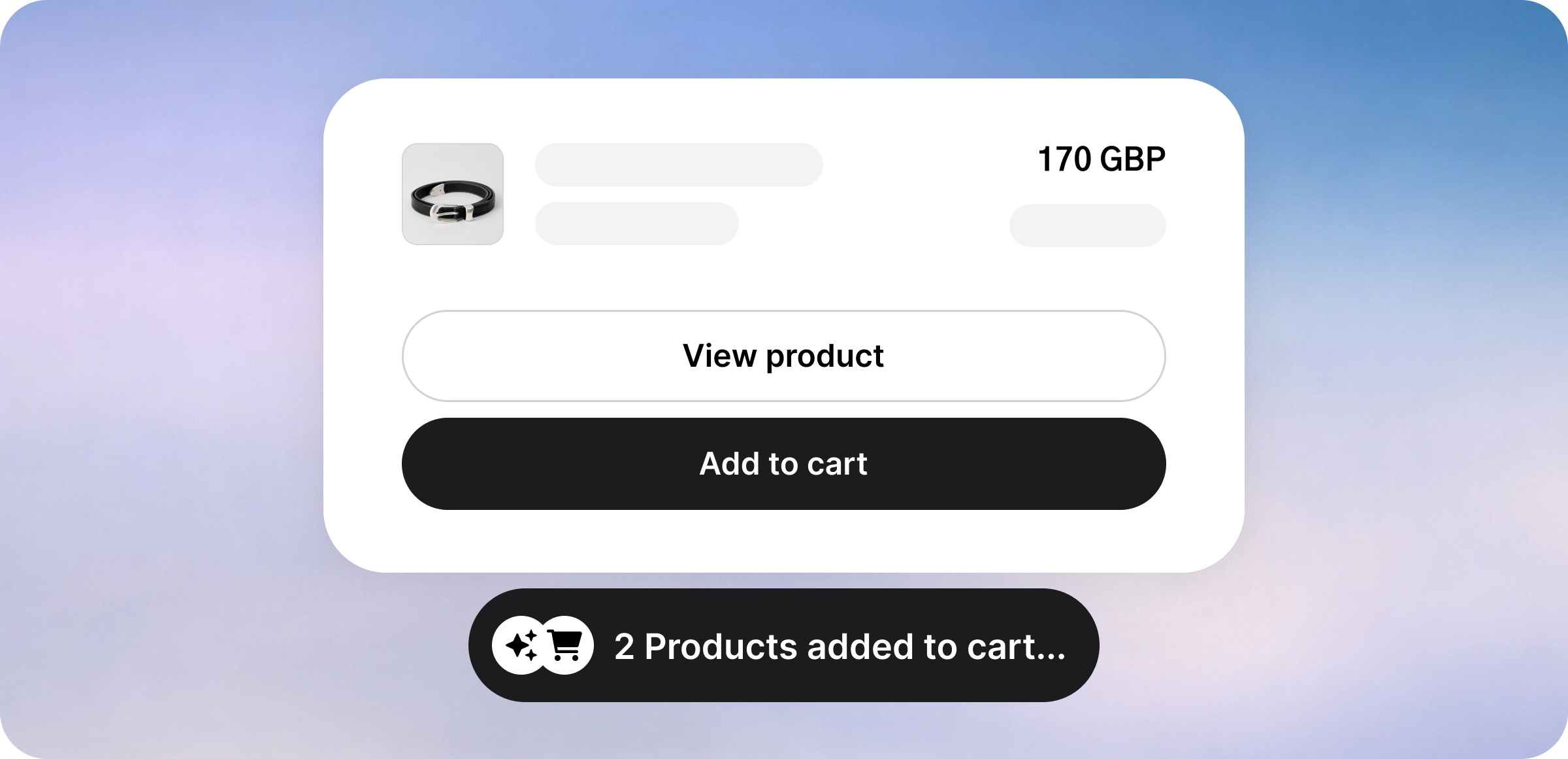
For instance, beauty brands using this method have reported a 30%+ improvement in cross-sell attachment rates by suggesting complementary items based on skin type queries. Fashion retailers have seen average order values increase by 25-40% by guiding shoppers to outfits that match their style and occasion. High-ticket merchants find it especially effective for replacing inadequate product filters with a more human-like consultation.
Actionable Implementation Steps
To add this powerful tool to your conversion rate optimisation checklist, focus on creating a truly consultative experience:
- Train with Personas: Feed your AI with data on your best-performing product combinations and ideal customer personas. This helps it understand which products appeal to specific segments, like "budget-conscious student" or "luxury gift-giver."
- Qualify Early: Design the conversation flow to ask clarifying questions about use case ("Is this for daily wear or a special event?") and budget early on. This qualification step ensures the recommendations are relevant and affordable.
- Limit the Choices: Avoid overwhelming the customer. The goal is to build confidence, not create more confusion. Instruct your AI to recommend only two to three highly relevant options.
- Monitor and Refine: Keep a close eye on which AI-driven recommendations convert best. Use this data to continually adjust the recommendation logic and training data, improving its effectiveness over time.
- Check Stock Levels: It is vital that your recommendation engine is integrated with your real-time inventory. Recommending an out-of-stock product is a frustrating experience that will damage trust and cost you a sale.
By transforming product discovery into a helpful conversation, you guide customers directly to the perfect item for their needs. This consultative selling method not only increases conversion rates and average order value but also builds customer loyalty by delivering a superior, personalised shopping experience.
You can explore how these systems operate in more detail by reading about the capabilities of modern AI sales agents and their impact on e-commerce.
4. Implement Multilingual Support for Global Market Expansion
An international shopper discovers your brand, loves your products, but hesitates at checkout. They have a simple question about shipping costs or returns, but the support is only in English. This language barrier creates immediate friction and uncertainty, causing them to abandon their cart and seek a local alternative. Overcoming this is a key part of any modern conversion rate optimisation checklist, especially for brands with global ambitions.
By deploying an AI chatbot capable of communicating in multiple languages, you can serve international customers in their native tongue without the overhead of a multilingual support team. This technology detects the user's browser language or allows them to select their preferred language, instantly translating the conversation. This removes a significant obstacle to purchase, making your brand accessible and trustworthy to a global audience.
For instance, European DTC brands expanding into Asian markets have reported a 40-60% increase in international conversion rates after implementing multilingual support. Likewise, global Shopify merchants have found that customers are more confident and spend more, leading to a 20-30% higher international average order value (AOV) when they receive pre-sales support in their own language.
Actionable Implementation Steps
To effectively integrate multilingual support and capture global revenue, focus on these critical actions:
- Prioritise Languages Strategically: Analyse your website traffic data in Google Analytics to identify which countries are driving the most visitors. Prioritise deploying support for languages spoken in your top non-English speaking markets to maximise initial impact.
- Ensure Translation Accuracy: Use a combination of AI translation and native speaker reviews for your product catalogue and core chatbot responses. Inaccurate or awkward translations can damage credibility and deter customers.
- Customise for Cultural Nuance: Go beyond direct translation. Adjust the tone, formality, and communication style to align with cultural expectations in different markets. What works in North America may not resonate in Japan.
- Monitor Language-Specific Metrics: Track conversion rates, AOV, and support query topics separately for each language. This will reveal unique purchasing behaviours and friction points in different regions, allowing for targeted optimisation.
By dismantling language barriers, you make your brand feel local to a global audience. This builds the trust and confidence necessary for international customers to complete a purchase, turning untapped global traffic into a significant revenue stream.
5. Create Smart Escalation Workflows for Complex Queries
While an AI chatbot can handle most routine questions, some queries require a human touch. A customer might have a highly specific, multi-part question about a bespoke order, or express frustration that the AI cannot resolve. Without a clear path to a human agent, this customer will likely abandon their cart, feeling ignored and unsupported. Creating smart escalation workflows prevents this by seamlessly passing complex conversations to your support team when needed.
This hybrid model uses AI to automate the majority of common enquiries (often over 70%), freeing up human agents to focus on high-value, complex, or sensitive issues. The AI acts as an intelligent front line, qualifying the customer's needs. When it detects a query beyond its scope, high negative sentiment, or a specific keyword (like "complaint" or "speak to a human"), it automatically routes the conversation, along with the full chat history, to a live agent.
This approach is highly effective. Many Shopify brands have successfully reduced their support team size by 40-50% while simultaneously improving customer satisfaction scores. For retailers handling high volumes, a small team of 2-3 agents can manage 100+ concurrent conversations, as the AI filters out the simple, repetitive questions.
Actionable Implementation Steps
To build an effective escalation workflow as part of your conversion rate optimisation checklist, concentrate on these key areas:
- Define Clear Escalation Triggers: Establish firm rules for when a chat should be escalated. Base these on query complexity (e.g., questions with multiple conditional parts), customer sentiment analysis (detecting frustration or anger), or specific keywords that signal a need for human intervention.
- Start with Conservative Rules: Initially, set your AI's confidence threshold lower, causing it to escalate more often. This helps you avoid frustrating customers while you gather data. You can gradually increase the threshold as you analyse escalation patterns and improve the AI's knowledge base.
- Ensure a Seamless Handover: The most critical part of escalation is context. Make sure the full conversation history and customer details are passed to the human agent. This prevents the customer from having to repeat themselves, which is a major point of friction.
- Analyse Escalation Data: Treat every escalated chat as a learning opportunity. These conversations reveal gaps in your AI's training data and your on-site product information. Use this intelligence to continuously improve both your automated support and your product pages.
By designing a system where AI and humans work in concert, you ensure no customer is left behind. This strategy maintains high service quality and builds trust, directly protecting your conversion rate from being damaged by poor support experiences.
Modern support platforms like Zendesk and specialised AI tools such as Marvyn AI provide the frameworks to build these sophisticated, context-aware workflows.
6. Address Shipping, Returns, and Policy Questions in Real-Time
A potential customer is ready to buy but hesitates at the checkout. "How much is shipping?" or "What's the return policy if this doesn't fit?" They can't find the answer quickly, so they abandon their cart. This final-hurdle friction is a major cause of lost sales, directly stemming from unanswered logistical questions that create uncertainty and doubt at the moment of purchase.
This problem is solved by configuring an AI chatbot to instantly answer frequently asked questions about shipping costs, delivery times, and return policies. Instead of forcing customers to hunt for a policy page or wait for an email reply, you provide immediate clarity. This automation directly addresses common purchase objections, removing barriers when buying intent is highest and making it a crucial part of any conversion rate optimisation checklist.
For instance, many Shopify stores have reported a 60% or greater reduction in shipping-related support tickets after implementing an automated policy-handling system. DTC brands have successfully eliminated "What's your return policy?" from their top 10 most common support questions, while some retailers have seen an 8-15% uplift in conversion rates simply by answering shipping cost questions before the final checkout step.
Actionable Implementation Steps
To effectively deploy this tactic and reduce cart abandonment, focus on a well-organised setup for your chatbot:
- Organise Policy Data: Structure your shipping rates, return windows, and store policies clearly within the chatbot’s knowledge base. Use simple language and ensure the bot can access specific details, like rates for different countries or conditions for returns.
- Detail the Return Process: Don't just state your return policy; outline the exact steps a customer needs to follow. Include information on how to initiate a return, who pays for postage, and the expected timeline for a refund or exchange.
- Train for Edge Cases: Analyse support transcripts to find common "what if" scenarios and exceptions related to your policies. Train your AI to handle these nuances, such as questions about returning sale items or shipping to remote locations.
- Provide Links for Depth: While the bot should provide a scannable, clear answer, always include a direct link to the full policy page. This satisfies customers who want to read the complete terms and builds trust through transparency.
By automating answers to routine logistical questions, you remove last-minute friction from the buying journey. This not only boosts conversions by building confidence but also significantly reduces the volume of repetitive support tickets, freeing your team for more complex customer issues.
This approach has been popularised by platforms like Marvyn AI that specialise in turning complex policy documents into instant, conversational answers.
7. Leverage Conversation Analytics to Optimise Product Pages
Your chatbot conversations are more than just support interactions; they are a direct line into the mind of your customer. Every question asked, objection raised, and piece of information sought highlights a gap or friction point on your product pages. By leveraging conversation analytics, you can turn these daily inquiries into a powerful, data-driven feedback loop that directly informs your conversion rate optimisation checklist.
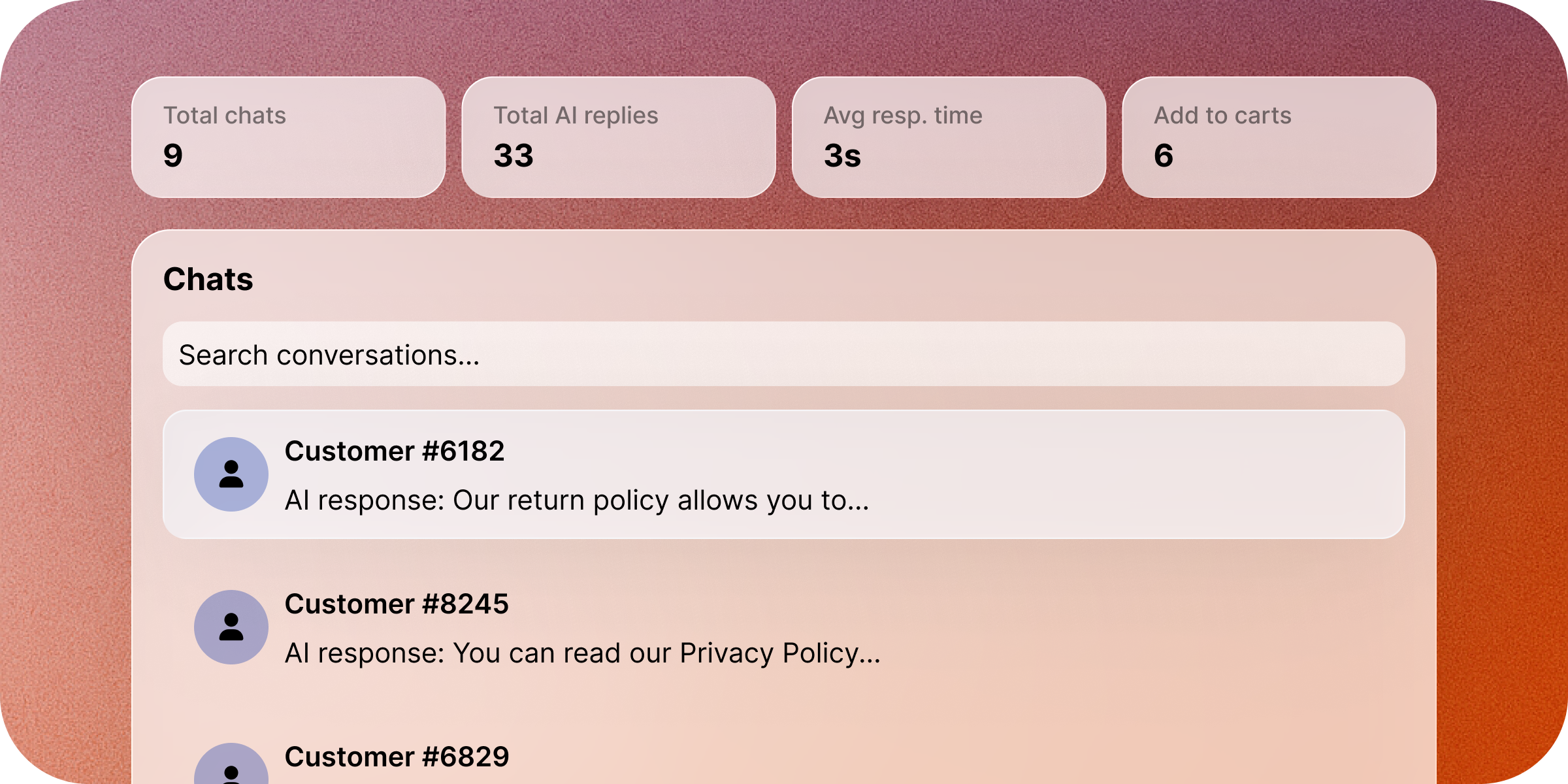
This process involves systematically analysing chat transcripts to identify common questions, points of confusion, and recurring objections that prevent a purchase. Instead of guessing what information is missing, you get precise, actionable intelligence straight from your shoppers. This data reveals what needs to be clarified, added, or emphasised on your product pages, in your descriptions, and within your FAQs.
For instance, a fashion retailer might discover that 30% of pre-sales questions for a specific dress are about its length and fit for different body types. By adding a detailed sizing guide and customer photos to that page, they can answer the question proactively, reducing similar support queries by over 40%. Similarly, a tech brand might notice repeated questions about battery compatibility, leading them to add a prominent compatibility chart that reduces returns by 15%. This proactive approach improves the customer journey and also reduces future support escalations.
Actionable Implementation Steps
To turn conversation data into conversion gains, follow a structured analytical process:
- Review Top Questions Monthly: Systematically review the top 20 most common questions asked in your chat tool each month. Categorise these by product, theme (e.g., sizing, shipping), and intent to spot clear patterns.
- Identify Information Gaps: Directly compare the most frequent questions against the content on the corresponding product pages. The disparity between what customers ask and what your page provides is your primary optimisation opportunity.
- Analyse Purchase Objections: Look for conversations where shoppers express a final concern and then abandon their cart. These objections, whether related to price, material, or policy, are critical to address directly on the page. For further improvements to your product pages, consider incorporating dynamic visual elements like videos for ecommerce that actually drives sales to build trust and answer questions visually.
- Prioritise and Test: Start by applying these insights to your highest-revenue or highest-traffic product pages. A/B test your changes, such as adding a new spec table or clarifying a feature, and measure the impact on conversion rates and question volume.
By treating your conversation logs as a repository of customer research, you create a continuous improvement cycle. Every customer question becomes a clue to building higher-converting product pages and a more self-sufficient shopping experience.
This methodical use of customer feedback is a core principle in modern ecommerce. To explore this topic in greater depth, you can discover more about advanced strategies for conversion rate optimisation for ecommerce and how they connect to the customer experience.
8. Customize Chatbot Personality and Tone for Brand Voice
A customer interacts with your chatbot, but its generic, robotic responses feel completely disconnected from the playful and energetic brand you've worked so hard to build. This jarring inconsistency can erode trust and make your brand feel inauthentic, damaging the customer experience at a critical moment. Customising your chatbot’s personality ensures every interaction, automated or not, is a seamless extension of your brand’s voice.
This involves configuring the AI’s communication style to mirror your brand's specific identity. Whether your voice is sophisticated and formal, or witty and conversational, the chatbot should adopt the same language, tone, and mannerisms. This alignment creates a cohesive experience, making automated interactions feel more personal and reinforcing your brand positioning with every answer provided.
For instance, premium brands that configure their bots with a sophisticated, detailed tone often see higher average order values and repeat purchase rates. In contrast, casual lifestyle brands using a friendly, conversational tone have reported 15-20% higher engagement rates in their chat sessions, as the bot's personality resonates directly with their target audience and strengthens the brand-customer relationship.
Actionable Implementation Steps
To ensure your chatbot becomes a true brand ambassador, follow these precise steps:
- Document Your Brand Voice: Before touching any chatbot settings, create clear guidelines for your brand’s voice. Define its personality, core vocabulary, and tone. Is it helpful and professional, or quirky and fun? This document is your blueprint.
- Consider Your Target Audience: Analyse what kind of tone resonates most effectively with your ideal customers. A formal tone might alienate a younger audience, while an overly casual one could undermine a luxury brand's credibility.
- Inject Brand-Specific Terminology: Train the chatbot to use your unique product names, brand-specific phrases, and industry terminology consistently. This small detail makes the bot feel like an internal expert rather than an external tool.
- Review and Refine Responses: Regularly audit the chatbot's conversations to ensure it remains on-brand. Pay close attention to its handling of edge cases or complex questions, and refine its response patterns to maintain consistency and improve its performance in your conversion rate optimisation checklist.
By aligning your chatbot’s personality with your brand voice, you transform a simple support tool into a powerful brand-building asset. This consistency fosters customer trust and creates memorable interactions that drive loyalty and repeat business.
9. Enable 24/7 Availability and Instant Response at Scale
A potential customer is browsing your store at 2 AM, ready to buy, but has a simple question about shipping to their country. With no live support available, they abandon their cart, and the sale is lost forever. This scenario is a common reality for e-commerce brands, where sales opportunities arise at all hours. By enabling 24/7 availability and instant responses, you meet customers in their moment of need, regardless of time zones or your team's working hours.
This is accomplished by deploying an AI-powered chatbot designed for e-commerce. It operates as an always-on sales assistant, autonomously handling inquiries about products, shipping, and policies. Instead of forcing customers to wait for an email reply the next business day, the AI provides an immediate, accurate answer, removing friction and guiding the shopper towards a successful checkout. This is a critical part of any modern conversion rate optimisation checklist.
Global DTC brands serving customers across more than 20 time zones use this approach to provide consistent service without needing a massive, round-the-clock support team. Solo founders and bootstrapped stores also operate like multinational companies, offering instant, 24/7 customer service and capturing sales that would otherwise be missed overnight.
Actionable Implementation Steps
To effectively deploy an always-on support system, focus on autonomy and clear processes:
- Ensure Data Completeness: Your chatbot's effectiveness depends on the information it can access. Make sure your product catalogue, shipping policies, and a comprehensive FAQ knowledge base are complete and synchronised so it can operate autonomously.
- Monitor Off-Hours Conversations: Regularly analyse the questions and interactions that occur outside your normal business hours. These conversations are a valuable source of insight, highlighting gaps in your product information or common customer sticking points.
- Test During Peak Traffic: Stress-test your chatbot's response quality and speed during high-traffic periods, like a flash sale or marketing campaign launch. This ensures it can handle the volume without a drop in performance.
- Establish Clear Escalation Paths: Define a clear process for when the AI should hand over a complex query to a human agent. Crucially, communicate the expected response time for these escalations, especially during off-hours, to manage customer expectations.
By providing instant answers 24/7, you eliminate the costly delay between a customer's question and their decision to purchase. This captures revenue during off-hours and builds customer confidence by showing your brand is always available to help.
For a deeper look into building this capability, you can explore how platforms like Marvyn AI enable e-commerce brands to deliver instant, autonomous support at scale.
10. Quick Setup and Immediate Deployment for Fast ROI
The traditional path to implementing powerful business software often involves lengthy setups, technical complexities, and significant developer resources, delaying any return on investment. This barrier can prevent smaller teams or solo founders from accessing enterprise-level tools. However, modern SaaS design philosophy champions a different approach: one-click installation and automatic configuration for immediate value, a critical component of any agile conversion rate optimisation checklist.
This is achieved through platforms with native Shopify App Store integrations that handle setup automatically. Upon installation, the tool synchronises with your product catalogue, ingesting all necessary data like descriptions, specifications, and inventory levels without any manual effort. For a solo founder launching their store, this means deploying a 24/7 automated customer support system in under an hour, answering shopper questions from day one.
The impact is immediate. Bootstrapped DTC brands can offer round-the-clock support without hiring contractors, directly influencing conversions and customer satisfaction. Growth teams can run experiments with conversational commerce almost instantly, gathering data without a prolonged implementation phase. This rapid activation compresses the time-to-value from months to minutes.
Actionable Implementation Steps
To get this running quickly and effectively, focus on a streamlined process:
- Clean Your Product Data First: Before installing, ensure your Shopify product data is clean, complete, and well-organised. The tool's effectiveness is directly tied to the quality of the information it can access.
- Complete Setup in One Go: Allocate a single session to install the app, review the automatic synchronisation, and test a few basic customer questions. This builds momentum and ensures the system is functional right away.
- Test Immediately Post-Setup: Ask the chatbot common questions your customers might have. For example, "Do you ship to Manchester?" or "Is this t-shirt 100% cotton?" This initial check verifies the setup was successful.
- Monitor Early Conversations: Keep a close eye on the first few dozen interactions. This will help you quickly identify any inaccuracies or gaps in its knowledge, allowing for swift optimisation.
The core principle is to prioritise speed and immediate deployment over a perfect initial setup. By getting a functional system live quickly, you start collecting data and realising ROI almost instantly, allowing you to refine and improve it based on real user interactions.
This approach is championed by solutions like Marvyn AI, which are built to deliver value straight out of the box, democratising access to powerful automation.
10-Point Conversational CRO Checklist
Turning Your Checklist into Conversions
You’ve navigated the ten critical checkpoints of our conversion rate optimisation checklist, each one a powerful lever for turning browsers into buyers. This isn't just a list of tasks to tick off; it's a strategic framework for building a fundamentally more effective e-commerce business. The core principle weaving through every item is the shift from a passive, one-directional storefront to an active, conversational and supportive shopping experience.
By implementing real-time product question handling, engaging with customers at the point of cart abandonment, and offering personalised recommendations, you are actively dismantling the barriers that stand between a customer and the checkout button. You're replacing friction with guidance and doubt with confidence. This proactive approach transforms your website from a simple catalogue of products into a dynamic sales environment, staffed 24/7 by a perfectly on-brand assistant.
From Checklist to Actionable Strategy
The true power of this checklist is unlocked not by simply reading it, but by implementing it with purpose and measuring its impact. Your journey to a higher conversion rate doesn't require tackling all ten points at once. Instead, adopt a methodical approach:
- Identify Your Biggest Bottleneck: Start with the data. Is your cart abandonment rate alarmingly high? Are you receiving repetitive pre-purchase questions that signal confusion on your product pages? Is your average order value stagnant? Pinpoint your single greatest point of friction.
- Deploy a Focused Solution: Address that primary bottleneck first. For instance, if pre-purchase questions are the issue, implementing an AI-powered chat that can instantly answer queries about shipping, returns, and product specifics will have an immediate effect.
- Measure, Learn, and Iterate: Monitor the results closely. Look at conversation analytics to understand what your customers are asking. Use these insights to refine your product descriptions, update your FAQ page, and improve your overall site messaging. This creates a virtuous cycle of continuous improvement.
Mastering these conversational commerce concepts is essential for growth. While our checklist focuses on high-impact automation, a deep understanding of broader conversion rate optimization techniques will provide additional context and ideas for A/B testing, user experience improvements, and persuasive design. The combination of a strong foundational strategy and specific, targeted tactics is what separates good stores from great ones.
The Lasting Impact of Conversational Commerce
Ultimately, this conversion rate optimisation checklist guides you toward a more resilient and customer-centric business model. By embracing automation for pre-sales support, you not only lift your conversion rates but also free up valuable human resources. Your team can then focus on more complex customer issues, marketing strategy, and product development, rather than answering the same questions repeatedly.
You create a superior customer experience that builds trust and loyalty, encouraging repeat business. Each conversation, whether it leads to a sale or not, is an opportunity to learn and strengthen your brand. The journey to a higher conversion rate begins with the very first conversation you automate, setting the stage for sustainable growth and a stronger connection with your audience.
Ready to turn your checklist into a revenue-generating machine? Implement every point on this list with Marvyn AI, the conversational platform built to convert. Marvyn AI provides the instant answers, personalised recommendations, and abandonment-prevention tools needed to guide your customers from discovery to purchase, 24/7.
Related Articles

A Shopify Guide to Reduce Cart Abandonment
Reduce cart abandonment on your Shopify store with this complete guide. Learn to diagnose causes, implement fixes, and use AI chatbots to recover lost sales.
Conversion Rate Optimization for Ecommerce A Modern Growth Playbook
Level up your conversion rate optimization for ecommerce with this playbook. Learn how to audit your funnel, optimize pages, and use AI to drive Shopify growth.

Unlocking Growth With AI Sales Agents for Your DTC Brand
Discover how AI sales agents can transform your Shopify store. Learn to increase conversions, boost AOV, and enhance customer experience with our expert guide.

7 Top Chat Bot Examples for E-commerce Success in 2026
Discover the best chat bot examples for Shopify stores. See how Marvyn AI and others automate support and drive sales with real-world use cases.

Website Welcome Message: 20+ Examples & Templates (2026)
See 20+ real welcome message examples for websites, online stores, fashion boutiques, and more. Plus how to automate them with an AI chatbot.
How Fashion Stores Are Increasing Sales by 28% with AI Chatbots
The practical playbook behind how real Shopify fashion brands are turning conversations into conversions.