10 Incentives for Customers to Boost Sales in 2026
A shopper lands on your store, adds a product to cart, then hesitates. They ask about shipping, wonder if a better deal is coming, and leave if the answer is another generic 10% off popup. That is how brands burn margin without fixing conversion.
Customer incentives work when they match intent, timing, and customer value. A first-time visitor may need reassurance or a small nudge. A repeat buyer may respond better to points, early access, or a threshold-based reward. High-value customers often need a different treatment again. If you offer the same deal to everyone, you teach people to wait for discounts and pay for sales you might have won anyway.
For Shopify brands, incentives sit at the intersection of conversion, retention, and support. They should be tied to a clear customer data strategy, not run as isolated campaigns. A solid CRM strategy for ecommerce brands makes that possible by connecting purchase history, browsing behaviour, support conversations, and loyalty status into one usable view.
The practical shift is delivery. Static offers underperform because they ignore context. AI chatbots let you present incentives as live, personalised interactions based on cart value, product interest, loyalty stage, or the question a shopper just asked. Instead of showing every visitor the same code, you can automate different paths: free shipping for a price-sensitive cart, a bundle incentive for multi-item interest, or VIP access for a customer with strong repeat-purchase signals.
That approach protects margin better and usually improves conversion quality, not just conversion volume. It also aligns incentives with retention metrics such as repeat purchase rate and lifetime revenue. If you need a framework for evaluating offer quality beyond the first sale, start with this customer lifetime value guide. For teams also working on site performance, these insights from Market With Boost pair well with a more disciplined incentive strategy.
The incentives below cover the standard options, but the real advantage comes from how you trigger, personalise, and automate them. That is where a routine promotion becomes a system that converts more customers without giving away margin by default.
1. Loyalty Rewards Programme
A customer places a first order, likes the product, then disappears for 90 days. That gap is where a loyalty programme earns its keep. It gives the customer a concrete reason to come back before price, habit, or convenience pulls them somewhere else.
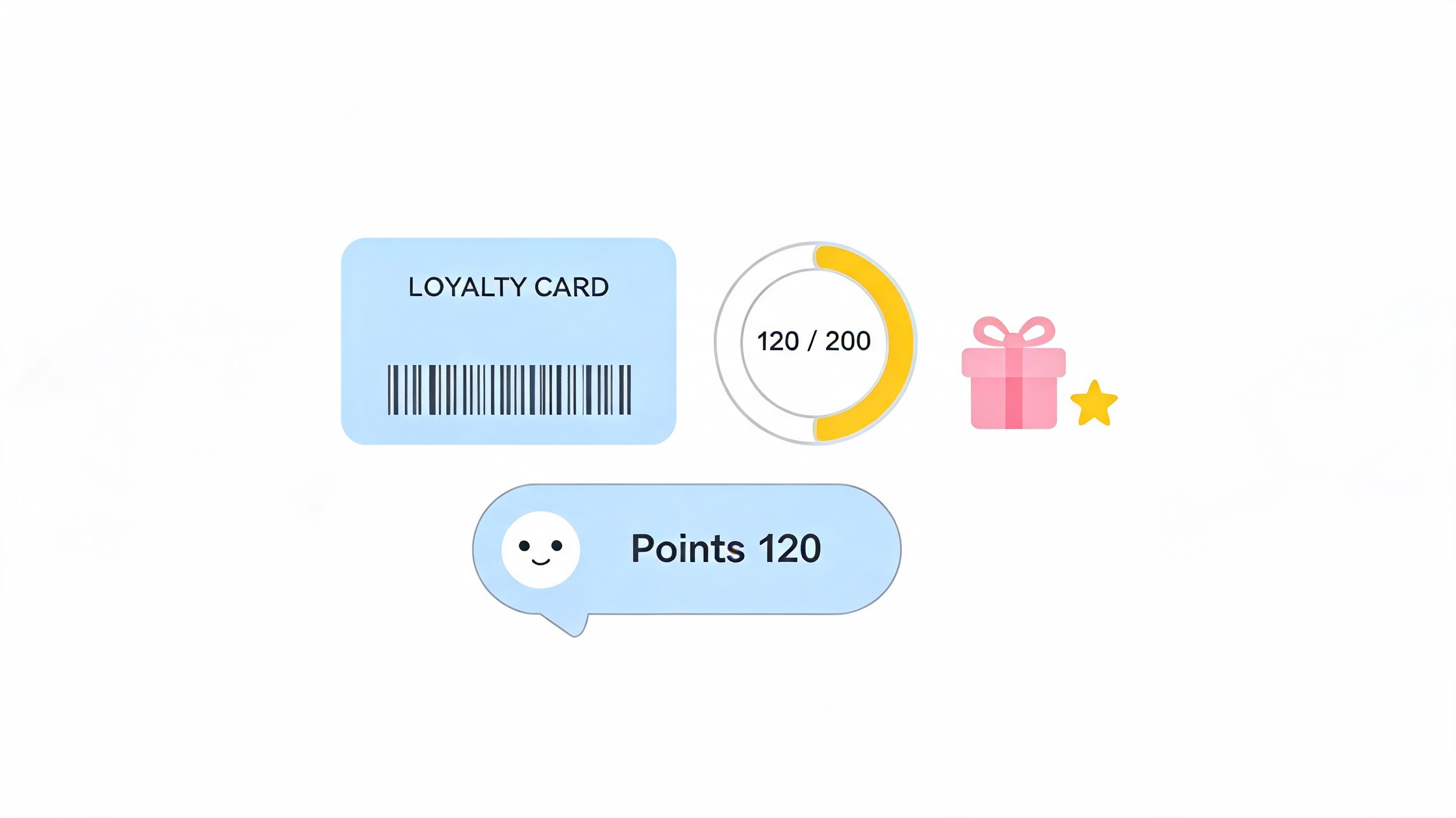
The best programmes are easy to understand and easy to use. Customers earn points for actions that matter to the business, such as purchases, reviews, or referrals, and they can see a reward that feels close enough to bother with. Sephora Beauty Insider and Starbucks Rewards get this right because the value exchange is obvious. Customers know what they have, what they can get, and how far away the next reward is.
How to make it work on Shopify
The common failure point is simple. Brands set the first reward too far away.
If a new customer has to wait through several orders before seeing any benefit, enrolment becomes a vanity metric. A better setup gives them a small early win, then uses later rewards to build repeat purchase behaviour. That matters even more in a crowded market where customers already belong to multiple schemes. Your programme is competing against other rewards systems they already use, not against a blank slate.
A practical structure looks like this:
- Give points on the first purchase and show the balance immediately.
- Make the first redemption achievable without a long wait.
- Reserve higher-value rewards for behaviours that improve margin, such as repeat orders or larger baskets.
- Expire points carefully. Pressure can drive action, but aggressive expiry often hurts trust.
The AI layer is what turns a standard loyalty programme into a stronger retention system. Instead of leaving points buried in an account page, the chatbot can bring them into the conversation at the right moment. If a returning shopper asks about a product, the bot can mention their current balance. If the cart is close to a reward threshold, it can suggest an add-on that gets them there. If someone qualifies for redemption, it can explain the option in plain language and remove the work of figuring it out.
That only works if the underlying customer data is clean. A solid CRM approach in ecommerce helps tie loyalty status to purchase history, browsing behaviour, and support context, so the incentive shows up for the right customer at the right time. Measure the programme against retention and margin, not just signups. This customer lifetime value guide is a useful reference for that.
A loyalty programme should feel like progress. If customers have to hunt for their balance, guess at the rules, or wait too long for any payoff, the programme stops influencing behaviour and becomes background noise.
2. Tiered VIP Membership Programme
Tiered programmes are for brands with a meaningful gap between casual buyers and top spenders. Not every customer needs the same incentive. Your best shoppers usually care less about another small discount and more about access, speed, convenience, and recognition.
Nordstrom’s Nordy Club shows the model clearly. The tiers signal status while also providing practical benefits. Amazon Prime does a version of this through a subscription lens. People stay because the perks stack into a better buying experience.
Where brands get this wrong
Many merchants create VIP tiers with weak benefits. A fancy badge and the occasional code won’t keep a high-value customer engaged. If someone is spending repeatedly, the programme needs to remove friction. Faster support, early access, priority fulfilment, and exclusive drops usually beat another routine markdown.
For Shopify brands, the chatbot can carry a lot of this weight. Marvyn AI can tell a shopper how close they are to the next tier, explain what is available there, and answer membership questions without sending them to a buried help page.
A simple way to view this:
- Base tier: Give entry-level rewards that encourage a second order.
- Middle tier: Add experience upgrades such as faster shipping or member-only launches.
- Top tier: Reserve the most valuable perks for customers who repeatedly prove their worth.
High spenders rarely need more noise. They need better treatment.
That’s the trade-off. Tiered incentives for customers can be powerful, but only if the benefit difference between levels is obvious. If every tier looks nearly the same, customers won’t chase progression and your support team will still field “what do I get?” messages.
3. Referral Rewards Programme
Referral incentives work because they borrow trust. A recommendation from a friend carries more weight than another ad, especially for products with some purchase anxiety. Think skincare, apparel fit, supplements, gifts, or any product where reassurance matters.
Dropbox made referral rewards famous with free storage. Airbnb turned it into travel credit. The format still works because the psychology hasn’t changed. People like sharing something useful when there’s a clear benefit for both sides.
Make the reward fit the moment
The mistake is asking for referrals too early. Don’t push a customer to share your store before they’ve had a positive experience. Better timing is after delivery confirmation, after a strong review, or after a repeat order.
Marvyn AI can help by sending one-click referral prompts during those high-satisfaction windows. It can also answer the practical questions that slow referrals down, such as whether the code has been applied or whether a friend qualifies.
Use a double-sided structure where the referrer gets a credit, reward, or points bonus and the new customer gets a meaningful first-order benefit. Keep the rules simple. The more conditions you add, the less likely people are to share.
There’s also a support angle here that most brands miss. If you’re refining acquisition, referrals work better when the offer and product fit are explained well. That’s where a chatbot can assist with objections before the referred shopper bounces. This is also why referral mechanics should sit inside broader product marketing strategies, not operate as a disconnected app.
Escalating rewards can work for serial advocates, but don’t overdesign it. Referral programmes perform best when the action takes seconds and the benefit is immediately understood.
4. Discount Codes and Coupons
Discounts still have a place. They’re just overused. If every visitor gets the same code, you’re not using an incentive strategically. You’re taxing your own margin.
The better use of coupons is selective delivery. A first-time visitor with clear hesitation may need a nudge. A returning customer who was likely to buy anyway probably doesn’t. The difference matters.
Use discounts to solve hesitation
A chatbot is useful here because it can respond to behaviour instead of broadcasting the same message sitewide. If a shopper asks about returns, compares variants, or leaves a high-intent cart idle, Marvyn AI can present a time-limited code as a rescue move rather than a routine giveaway.
That matters in the UK because trust now affects how people respond to digital offers. Surveys of UK DTC shoppers in 2025 found that 47% distrust “instant reward” pop-ups that aren’t clearly explained, while 68% are willing to accept personalized offers when they result from explicit consent and visible data usage commitments, according to research on underserved UK customer expectations.
If the offer appears out of nowhere and the logic is hidden, shoppers read it as manipulation.
That means your discount flow should explain why the customer is seeing it. A simple line inside chat works better than a vague popup. For example, a shopper asks about sizing, then gets a code tied to completing the purchase today. Transparent, contextual, and easier to trust.
For stores trying to tighten margin while still lifting conversion, this approach pairs well with tactics in this guide on how to improve ecommerce conversion rate.
5. Free Shipping Above Threshold
A shopper adds £42 worth of products to cart, sees a £4.99 delivery fee at checkout, and pauses. Give them a clear path to free shipping at £50, and many will add one more item without feeling pushed into a discount.
That is why this incentive keeps working. It protects price integrity better than a blanket coupon and gives customers a target they can act on.
The threshold itself decides whether this improves profit or erodes it. Set it too close to your current average order value and you absorb shipping costs on orders that would have converted anyway. Set it too far above typical basket size and the offer stops feeling reachable. A practical starting point is to test a threshold slightly above your current average order value, then review conversion rate, margin per order, and attachment rate on the products customers add to qualify. If you need a stronger framework for that, this guide on how to increase average order value in ecommerce is a useful next read.
Make the threshold visible and adaptive
Free shipping works best when the gap is specific. “Add £8 for free shipping” gives the customer a decision. “Free shipping available” is background noise.
A chatbot proves its worth. Instead of showing the same sitewide banner to everyone, Marvyn AI can read the live cart, calculate the shortfall, and recommend one or two relevant products to close it. A skincare shopper might see a cleanser refill that matches what is already in basket. A pet supplies shopper might get a prompt for treats or waste bags. The offer becomes personal, timely, and much more likely to raise order value without hurting trust.
Keep the prompt simple. Show the remaining amount. Suggest products that fit the basket. Stop pushing once the customer qualifies.
Used well, free shipping thresholds are not just a pricing tactic. They are a real-time decision tool that AI can personalise at the moment it matters.
6. Product Bundling and Volume Discounts
Bundles lift basket size when they solve a buying decision. That’s the key distinction. A bundle should help the customer choose faster, not force extra items into the cart.
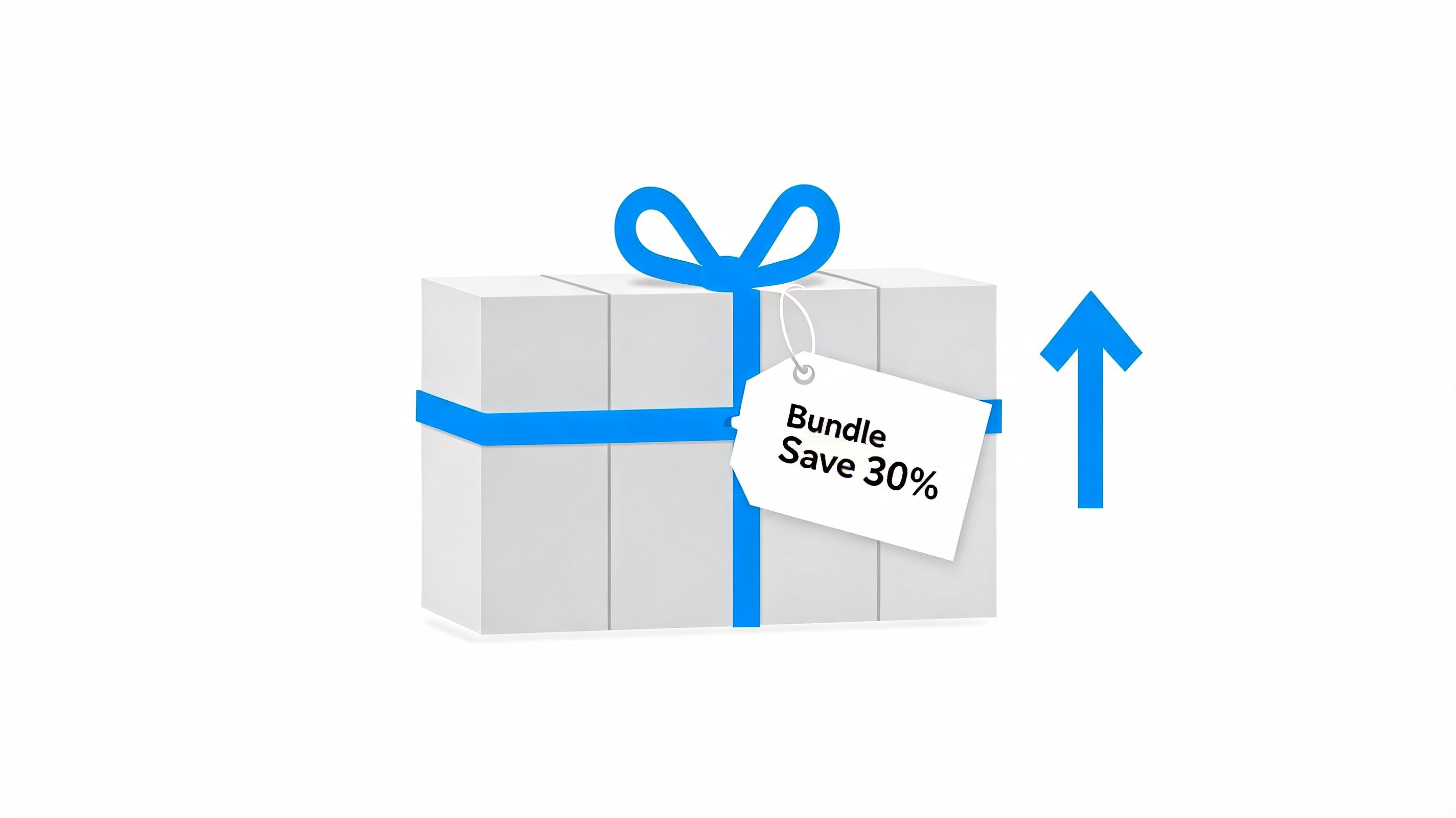
McDonald’s value meals work because the combination is obvious. Costco volume deals work because shoppers understand the stock-up logic. In ecommerce, bundles perform best when products are naturally used together or when a multi-buy removes reorder friction.
Let the chatbot build the right bundle
Static bundles leave money on the table because they treat all shoppers the same. A first-time customer may need a starter set. A repeat buyer may be better served with a refill pack or a volume discount on a product they already trust.
Marvyn AI can recommend bundles based on browsing behaviour, cart contents, or customer intent. If someone is buying trainers, the chatbot can suggest socks and care spray. If they’re purchasing coffee gear, it can recommend filters or beans rather than pushing a random sitewide deal.
Many stores miss easy revenue by waiting until checkout to upsell, when the customer has already made most decisions. Bundle logic should start earlier in the journey, especially for products that need explanation.
A few rules keep bundles effective:
- Solve a use case: Group items around a routine, outcome, or need.
- Protect clarity: Show exactly what the customer is saving or gaining.
- Keep variants sensible: Too many bundle options can slow the sale.
For stores focused on increasing basket size without defaulting to deeper discounts, this ties directly into proven methods for how to increase average order value.
7. Gamification and Interactive Contests
Gamified incentives can work, but they’re easy to abuse. A spin-to-win wheel, streak challenge, or contest can create a burst of engagement. It can also make a brand look cheap if it appears on every visit and interrupts serious shoppers.
Wish leaned heavily on wheel-style promotions. Duolingo shows the stronger long-term lesson. Game mechanics work best when they reward progress and keep people moving, not when they create noise for its own sake.
Qualify the interaction first
If you want gamification to support sales, tie it to intent. A chatbot can ask a quick product question, collect an email with consent, or confirm category interest before granting the reward. That gives you cleaner segmentation and prevents the incentive from becoming pure coupon hunting.
This also aligns with a practical UK ecommerce problem. Data from 2023 to 2024 highlighted that nearly 60% of pre-purchase queries in Shopify stores are about sizing, fit, delivery, and returns, based on analysis of underserved retail touchpoints. Instead of offering every visitor a random spin, reward customers for answering a useful question inside chat. That turns the incentive into data collection that helps future support and conversion.
A game should earn you better customer insight, not just a lower selling price.
Low-friction rewards usually work best here. Free shipping, a small code, bonus points, or entry into an exclusive draw all feel proportionate. If the prize is too big, people game the mechanic. If it’s too small, they ignore it.
Gamification is most effective when it’s occasional, contextual, and tied to real buying intent.
8. Early Access and Exclusive Offers
A customer opens your site on launch day, asks whether the new colourway will restock, and hesitates. If your only incentive is a sitewide discount, you train that customer to wait for price cuts. Early access does something different. It rewards interest, protects margin, and gives the right buyers a reason to act now.
That makes it a strong fit for brands with drops, limited runs, frequent restocks, or new collections that need controlled demand.
Supreme built its model around access. Nike SNKRS turns timing into part of the product experience. Smaller ecommerce brands can use the same principle without manufacturing hype. Give selected customers first access to a launch, a private sale window, or a bundle that never appears in the main catalogue.
Make access feel earned
Early access works best when the rule is clear. Past purchasers, loyalty members, email subscribers, and customers who showed high buying intent are the obvious groups. A chatbot can check those signals in real time and deliver the offer to the right segment instead of showing the same popup to everyone.
The modern version becomes more engaging. Static exclusivity is blunt. AI-driven exclusivity is conditional, timed, and personalised.
For example, a chatbot can:
- invite a returning customer to shop a restock one hour early
- offer VIP access only after confirming product interest or size
- hold back a launch code until a shopper signs in or joins your list with consent
- route high-value customers to a private bundle based on past purchases
That approach improves conversion quality, not just click volume. It also avoids a common mistake. Brands often announce "exclusive access" too broadly, then disappoint customers who do not qualify.
There is an operational upside too. Phased access spreads demand across a wider window, which helps with stock control and reduces the spike in support tickets that usually hits during launches. If the chatbot handles the first wave of questions about sizing, availability, delivery dates, or access rules, your team gets fewer repetitive tickets at the worst possible moment.
Early access also supports retention because it signals status. Customers remember being first. They do not remember another generic promo email.
Used well, exclusive offers protect margin better than blanket discounts and give your chatbot a higher-value job. Instead of pushing the same code to every visitor, it can decide who should see the offer, when they should see it, and what version is most likely to convert.
9. Subscription and Autoship Incentives
A customer buys dog food, vitamins, or razors for the third time in two months. That is the moment to offer autoship. Push it on the first visit and it feels premature. Wait too long and you miss the habit.
Subscriptions work when they remove effort from repeat buying. The discount matters, but only after the customer trusts the setup. Clear skip, pause, swap, and cancel options usually do more for conversion than an extra few percentage points off.
Dollar Shave Club built its model around routine replenishment. Chewy’s autoship offer fits products with a predictable reorder cycle. The lesson is simple. Put subscription incentives on items people already buy on a schedule, not on products with irregular demand or high variation in taste, size, or seasonality.
AI chatbots make this more precise. Instead of showing the same autoship pitch to every shopper, they can trigger the offer after a reorder pattern appears, answer operational questions in real time, and recommend the right cadence based on usage. That is the practical version of using AI for sales conversations. It turns a static “subscribe and save” badge into a guided decision.
A good subscription incentive mix usually includes:
- Trial incentive: A small first-order benefit to reduce hesitation without training the customer to expect a permanent discount.
- Retention incentive: Store credit, a bonus item, or a milestone reward after a set number of successful renewals.
- Service incentive: Faster support, simpler account changes, or early notice of low stock on frequently reordered items.
This structure protects margin better than cutting price on every recurring order.
It also gives the chatbot a better job to do. It can ask how quickly the customer uses the product, suggest a delivery interval, explain billing timing, and handle objections before signup. If someone sounds uncertain, the bot can offer a lighter commitment, such as a reminder-based reorder option instead of full autoship.
The trade-off is operational. Subscription growth can look healthy while churn cancels out the gain. Track second-order retention, skip rates, and cancellation reasons by product, not just total subscriber count. If a product needs constant pauses or frequency changes, the issue may be the cadence, the packaging size, or the product itself. The incentive is not the problem. The fit is.
10. Personalised AI-Driven Incentives
Personalised incentives are the direction most brands should embrace. They use live behaviour, customer history, and conversational context to decide which offer to show, when to show it, and whether to show one at all. That’s very different from throwing a sitewide code at everyone.
Amazon has conditioned shoppers to expect personalized recommendations. Stitch Fix built its model around personal relevance. In both cases, the offer feels connected to the customer’s needs rather than detached from them.
The video below shows the kind of AI-led selling flow that makes this practical on Shopify.
What personalisation should actually do
A good AI incentive system doesn’t just personalise the reward. It personalises the path to the reward. If a shopper asks about fit, the chatbot can gather size information and recommend the right product before offering a relevant nudge. If someone is budget-conscious, it can build a lower-cost bundle. If they’re hesitating on a premium option, it can surface a value-add instead of a markdown.
That approach also helps with customer data quality. Research covered by Research World reported that digital gift card incentives show a 35% improvement in data quality and response completion rates compared with cash compensation, according to its write-up on digital rewards in market research. For ecommerce brands, that means you can use store credit, gift cards, or personalized rewards to encourage better answers in chatbot flows, review requests, and post-purchase surveys.
Ask for useful information first. Reward the effort second. Then use that information to make the next offer smarter.
The execution matters. Keep your catalogue data clean, feed the model current policies and product details, and review chat transcripts regularly. If you want AI to drive better incentives for customers, it needs accurate inputs and a clear commercial goal. That’s the practical side of using AI for sales, not just adding another automation badge to your stack.
Top 10 Customer Incentives Comparison
Putting Your Incentive Strategy into Action
The best incentives for customers don’t win because they’re bigger. They win because they’re better timed, better matched to intent, and easier to understand. That’s the shift many Shopify brands still need to make. Too many stores rely on static discounts when the true opportunity is to connect the offer to the moment a customer hesitates, asks a question, or shows buying intent.
A loyalty programme can increase repeat behaviour. A free shipping threshold can lift basket size. A referral reward can lower acquisition friction. But each one gets stronger when it’s triggered with context instead of sprayed across every visit. That’s why AI chatbots have become so useful in modern ecommerce operations. They don’t just answer support questions. They can qualify interest, collect preference data, explain offers, and deliver incentives automatically inside the flow of conversation.
That matters for both conversion and efficiency. If your team is answering the same pre-purchase questions all day, your chatbot can use those moments to guide the shopper and present a relevant incentive only when it helps. If a customer is deciding between products, the bot can recommend the right item first and then add a threshold, bundle, or reward that supports the sale. If a repeat buyer returns, it can recognise loyalty status and surface a more appropriate offer than a generic first-order code.
The practical way to start is small. Pick one or two incentives that fit your business model and your margin structure. Fashion brands often benefit from loyalty, early access, and fit-driven incentives. Replenishable products often pair well with autoship rewards and bundle logic. Higher-consideration products usually need chatbot-led guidance before any incentive appears.
Then measure behaviour, not just redemption. Watch whether the offer increased basket quality, reduced support friction, improved repeat purchase patterns, or trained people to wait for discounts. The right incentive improves the customer journey. The wrong one creates dependence and chips away at profit.
If retention is part of your wider plan, it’s worth pairing this work with RetentionCheck's churn reduction guide. Incentives should support loyalty, not replace it.
The stores that do this well in 2026 won’t have the most offers. They’ll have the most relevant ones, delivered at the right time, with clear logic and minimal friction. That’s exactly where an AI layer like Marvyn becomes useful. It lets you automate personalisation without turning your site into a maze of popups, coupon banners, and one-size-fits-all promotions.
If you want incentives to drive sales without creating more support work, try Marvyn AI. It plugs into Shopify, learns your catalogue and policies, answers pre-sales questions instantly, and delivers personalised offers inside real customer conversations so you can increase conversion, lift AOV, and automate a large share of support at the same time.